How Aging Shingles Handle Midwest Wind — And When They Don’t
How Aging Shingles Handle Midwest Wind — And When They Don’t
The Quad Cities Know Wind
Homeowners across Rock Island, Moline, Davenport, Bettendorf, and Milan are no strangers to strong Midwest winds. Gusty spring fronts, summer thunderstorms, and fall pressure changes can all test the limits of your roofing system—especially if your shingles are nearing the end of their lifespan.
While many roofs look “fine” from the ground, wind-related damage often starts subtly and worsens over time. Understanding how aging shingles react to wind helps homeowners make informed decisions before leaks or interior damage appear.
Why Wind Is One of the Biggest Roofing Threats in the Midwest
Sustained Gusts vs. Sudden Bursts
Midwest storms don’t always bring tornadoes to cause damage. Often, it’s:
Sustained winds over 30–40 mph
Sudden pressure changes during passing storms
Directional gusts hitting roof slopes unevenly
Over time, this repeated stress loosens shingles and weakens seal strips.
Temperature Plays a Role
Cold winters make shingles more brittle, while hot summers soften adhesives. When wind hits during temperature extremes, shingles are far more likely to lift or tear.
How Aging Shingles Respond to Wind Stress
Loss of Adhesion
As shingles age:
Seal strips weaken
Granule loss increases
Tabs lift more easily in high winds
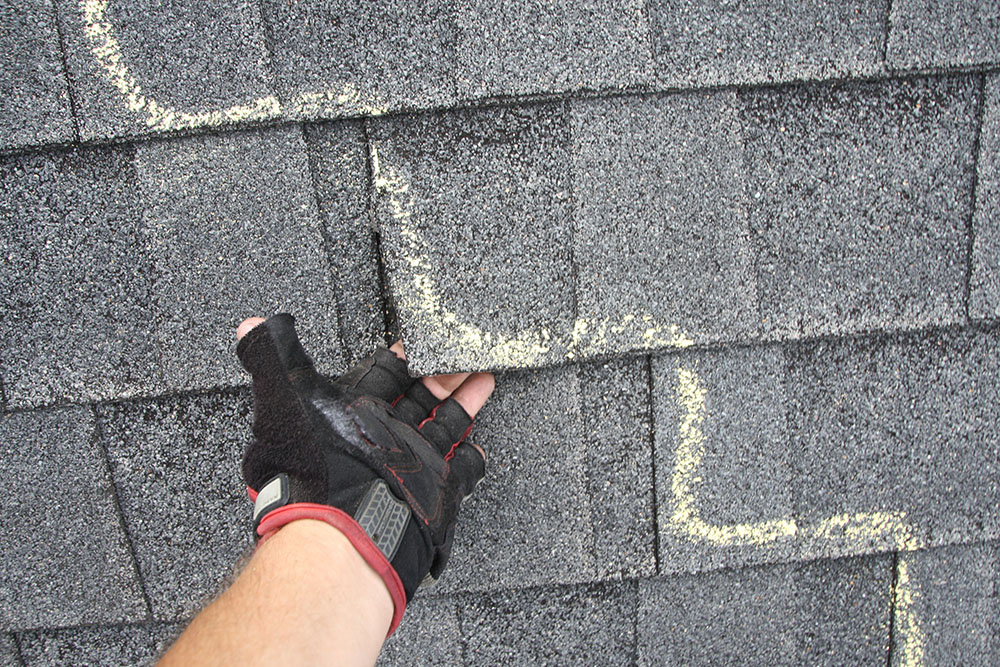
Once a shingle lifts, wind can get underneath neighboring shingles, creating a chain reaction.
Creasing and Permanent Lift
Repeated wind exposure can permanently crease shingles. Even if they don’t blow off, creased shingles no longer provide proper water protection.
Early Signs of Wind Damage Homeowners Miss
Subtle Red Flags
Shingles slightly angled instead of flat
Exposed nail heads
Granules collecting in gutters
A “rippling” roof appearance from certain angles
These signs often appear long before leaks form.
Why Waiting Makes Repairs More Expensive
A single loose shingle can turn into:
Decking rot
Interior ceiling stains
Mold development
Insurance complications
Early inspections keep small issues from becoming major repairs.
When Wind Damage Becomes an Insurance Issue
Many homeowners don’t realize:
Wind damage is often covered
Missing shingles aren’t the only qualifying damage
Documentation timing matters
A professional inspection helps determine whether damage is cosmetic or claim-worthy.
Why Local Roofing Experience Matters
Midwest roofing isn’t the same as southern or coastal roofing. Local contractors understand:
Regional wind patterns
Seasonal material behavior
Code and insurance expectations
This knowledge makes a real difference in both repairs and replacements.
Schedule a Free Roof Inspection
If your roof has weathered years of Midwest wind, now is the time to check its condition. Twin Bridge Roofing & Construction is a licensed and insured roofing contractor serving the Quad Cities, offering free, no-obligation inspections to identify wind-related damage before it leads to costly repairs.
📞 Call or text 309-948-4126 to schedule your free inspection today, or visit roofqc.com to request an appointment online.
