Wind-Driven Rain in the Quad Cities: Why Leaks Start at “Good” Roofs
Wind-Driven Rain in the Quad Cities: Why Leaks Start at “Good” Roofs
One of the most frustrating things homeowners hear after a storm is: “But my roof was fine.” And they’re not wrong—many roofs are fine… until the Midwest delivers the exact combination that exposes a weak point: wind-driven rain.
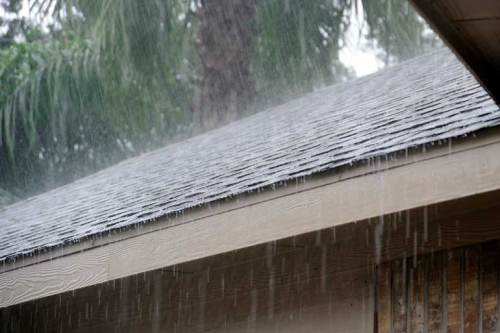
Unlike steady rainfall, wind-driven rain pushes water sideways and upward. It finds edges, seams, transitions, and tiny gaps—especially around flashing. In Rock Island, Moline, Davenport, Bettendorf, and Milan, strong spring and summer storm fronts commonly produce the kind of wind that makes “small” vulnerabilities turn into active leaks.
What Is Wind-Driven Rain?
Wind-driven rain is rain propelled by gusts and pressure changes. It can:
Push water under shingle edges
Force water behind siding
Overwhelm gutters and downspouts
Exploit small flashing separations
That’s why leaks often happen during storms, not during normal rain.
Where Wind-Driven Rain Causes the Most Problems
Roof-to-wall intersections
These are prime leak zones, especially where step flashing and siding meet.
Chimneys and sidewalls
Chimney flashing failures are common because:
Metal expands/contracts
Sealants age
Mortar joints can crack
Valleys
Valleys collect high volumes of water. If debris builds up or metal is compromised, water can back up under shingles.
Roof penetrations
Plumbing vent boots and exhaust vents can crack, especially after Midwest temperature cycling.
Why “No Missing Shingles” Doesn’t Mean “No Damage”
Leaks often start without visible shingle loss. A roof can look intact but still have:
Loose flashing
Lifted shingle edges
Cracked seals around penetrations
Minor fastener failure
Debris-caused water backup
The Timing Problem: Leaks That Come and Go
A homeowner may see a drip during one storm, then nothing for weeks. That doesn’t mean it fixed itself—wind direction and rain intensity change each event. Intermittent leaks often indicate:
A flashing issue
A valley problem
A penetration seal failing
What to Do If You Notice a Leak During a Storm
Safe immediate steps
Put a bucket down
Move electronics and valuables
Photograph the leak/stain
Note the storm date/time
Avoid climbing on the roof
Then schedule an inspection. The sooner the source is identified, the easier it is to prevent interior damage from spreading.
Why Local Inspections Matter After Storms
Midwest storms are unpredictable. A local contractor understands how wind direction, roof geometry, and common home styles interact. That experience helps find leak sources faster and repair them correctly.
Schedule a Free Storm Inspection
If you’ve had a leak during heavy wind-driven rain—or you just want to confirm your roof and flashing are storm-ready—Twin Bridge Roofing & Construction offers free, no-obligation inspections across the Quad Cities.
📞 Call or text 309-948-4126 to schedule your free inspection, or visit roofqc.com to request an appointment online.
