What’s Behind Your Siding Matters More Than You Think
What’s Behind Your Siding Matters More Than You Think
Siding is often treated as a cosmetic upgrade—but in the Midwest, it’s a critical protective system. In Quad Cities weather, siding doesn’t just face rain; it faces wind-driven moisture, freezing temperatures, and intense summer heat.
What happens behind the siding can determine whether your home stays dry and energy-efficient—or develops hidden damage.
Siding Is a System, Not a Surface
Siding works together with:
House wrap or weather barrier
Flashing
Insulation
Trim and seal points
If one component fails, moisture can bypass the visible siding layer.
How Moisture Gets Behind Siding
Even intact siding panels can allow water entry.
Common entry points
Window and door trim
J-channel seams
Roof-to-wall intersections
Gaps caused by expansion and contraction
Once water gets behind siding, it often stays trapped—especially during cold seasons.
Midwest Freeze-Thaw Makes It Worse
Moisture behind siding can:
Freeze and expand
Break down house wrap
Push panels outward
Create long-term rot
This damage often goes unnoticed until interior signs appear.
Warning Signs Homeowners Miss
Exterior signs
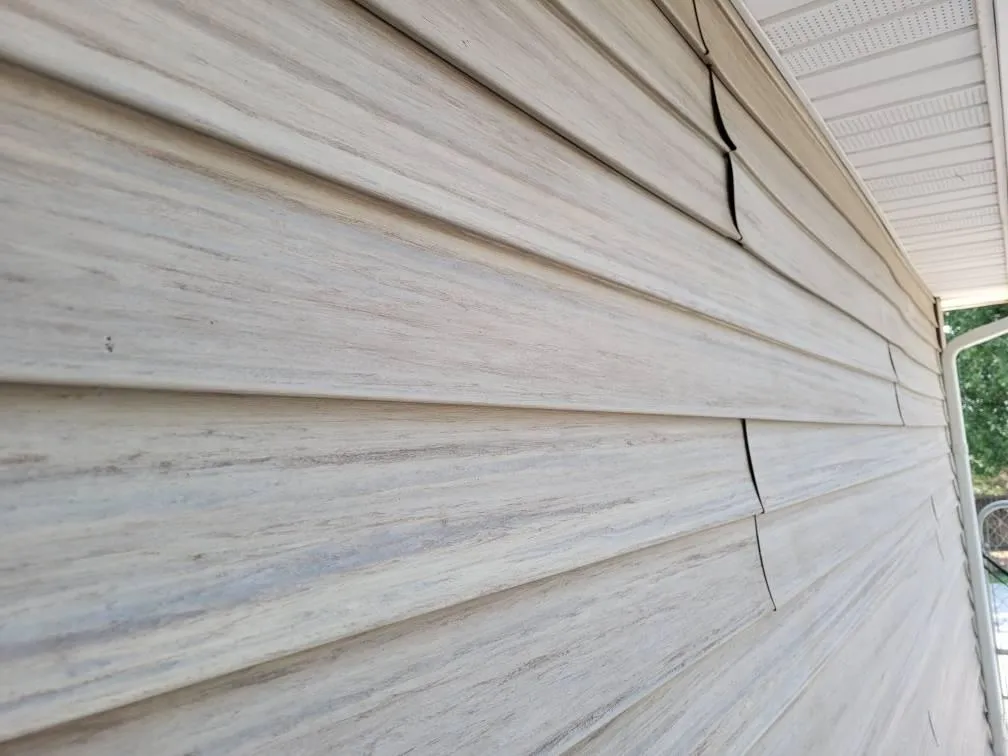
Wavy or uneven panels
Loose corners
Discolored trim
Cracked caulk
Interior signs
Drafts near walls
Higher heating or cooling bills
Musty odors
Why Spring Is the Best Time to Inspect
After winter stress, spring rain tests siding weak points. Catching issues early prevents:
Mold growth
Sheathing damage
Costly tear-offs
Schedule a Free Siding Inspection
If your siding hasn’t been inspected in years, now is the time. Twin Bridge Roofing & Construction offers free, no-obligation siding inspections throughout the Quad Cities.
📞 309-948-4126 | 🌐 roofqc.com
