Flat Roofs vs. Pitched Roofs: Which is Better for Commercial Buildings?
Understanding the Benefits and Drawbacks of Each Style
When designing or upgrading a commercial building, one of the most important decisions is the roof style. Flat and pitched roofs each have their own advantages, and the right choice depends on your building type, budget, climate, and long-term goals.
Here’s a clear breakdown of the pros and cons of flat vs. pitched roofs to help you make the right decision for your Quad Cities business.
Flat Roofs: The Standard in Commercial Roofing
Flat roofs are extremely common on commercial properties due to their practicality and cost-effectiveness.
✅ Advantages of Flat Roofs
Cost-Effective to Install: Less material, faster labor, and simpler design make flat roofs more affordable for large buildings.
Easier Maintenance & Access: HVAC systems, vents, and solar panels are easier to install and maintain on flat surfaces.
Modern Aesthetic: Flat roofs lend a sleek, minimalist look preferred in contemporary architecture.
Space Efficiency: Rooftop space can be used for mechanical systems, rooftop patios, or green roofs.
⚠️ Disadvantages of Flat Roofs
Drainage Challenges: Water drainage requires well-maintained systems like scuppers, drains, and tapered insulation.
Shorter Lifespan (Typically): Most flat roof systems (like TPO or EPDM) last 15–30 years depending on material and upkeep.
Higher Risk of Ponding: Improper slope or clogged drains can lead to standing water, leaks, and membrane failure.
💡 Best For: Warehouses, retail stores, office parks, and industrial buildings with large roof spans.
Pitched Roofs: Sloped for Strength & Longevity
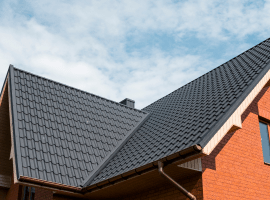
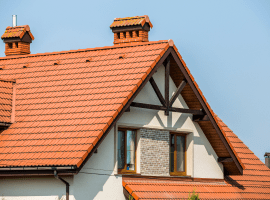
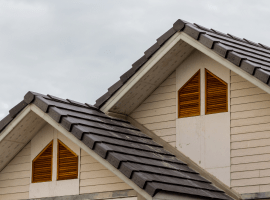
While less common on large commercial buildings, pitched roofs offer excellent protection and aesthetics—especially for smaller businesses or mixed-use buildings.
✅ Advantages of Pitched Roofs
Superior Drainage: Sloped design naturally directs water and snow off the roof, reducing the risk of leaks or structural stress.
Longer Lifespan: Shingle, tile, and metal pitched roofs can last 30–70+ years when properly maintained.
Better Insulation & Energy Efficiency: The attic or truss space provides a thermal buffer between roof and interior space.
Classic Appearance: Ideal for offices, churches, schools, and buildings in historic or residential-style neighborhoods.
⚠️ Disadvantages of Pitched Roofs
Higher Installation Cost: Requires more materials, engineering, and labor—especially on large commercial structures.
More Complex Access: Harder to service rooftop equipment and may require lifts or scaffolding for repairs.
Design Limitations: Not always practical for wide buildings without increasing height and structural demands.
💡 Best For: Medical clinics, small businesses, retail shops, and buildings seeking curb appeal in mixed-use areas.
Flat vs. Pitched Roof Comparison Chart
FeatureFlat RoofPitched RoofCost to InstallLowerHigherMaintenance AccessEasierMore difficultLifespan15–30 years (typical)30–70+ yearsDrainageRequires engineered systemNatural drainageEnergy EfficiencyGood with coatings/insulationExcellent with attic ventilationAppearanceModern/industrialClassic/traditionalBest UsesLarge commercial/industrial roofsSmaller commercial/residential mix
Final Thoughts
There’s no one-size-fits-all answer—flat roofs offer cost savings and rooftop utility, while pitched roofs deliver durability, insulation, and visual appeal. The best option depends on your building’s size, use, and long-term maintenance goals.
Need help deciding which roof is right for your Quad Cities commercial property?
Contact Twin Bridge Roofing & Construction for expert guidance, inspections, and full-service installation of both flat and pitched roof systems.
📞 (563) 655-4902 | 🌐 www.roofqc.com